Why Septic Tanks Fill Up Faster in Flemington, NJ Homes Than Many Homeowners Expect
September 4, 2026
Honest, No-Nonsense Service
Fast Response Times
Licensed & Insured
Clean, Professional Work
If your septic system seems to need attention sooner than expected, there is usually a reason.
Household size, water use, tank size, maintenance history and the amount of solid waste entering the system all affect how quickly sludge and scum accumulate. In Flemington, NJ, local soil, terrain and rainfall can also influence how efficiently a septic drain field handles wastewater.
Knowing what affects your system — and recognizing early warning signs — can help prevent odors, slow drains, backups and drain field problems.
What Actually Causes a Septic Tank to Need Pumping?
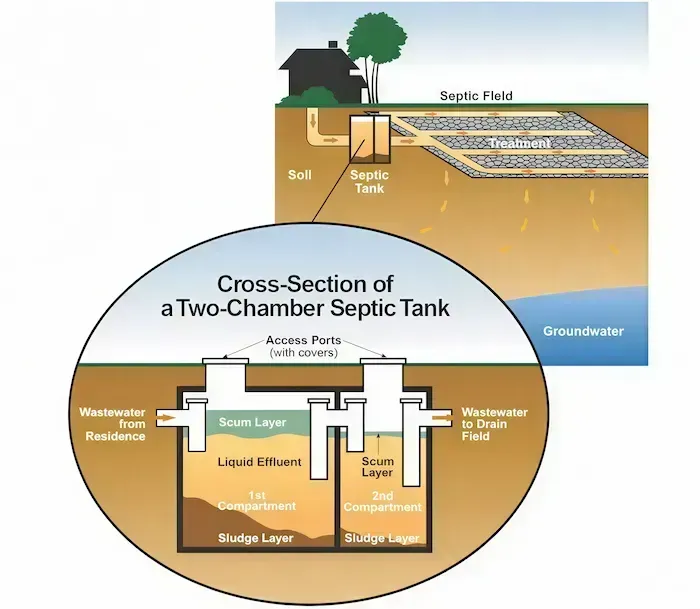
A working septic tank normally contains wastewater. The real maintenance issue is the sludge and scum that accumulate inside it over time.
Solids settle to the bottom of the tank while grease and lighter materials rise to the top. Liquid wastewater continues toward the drain field, but much of the solid material remains behind.
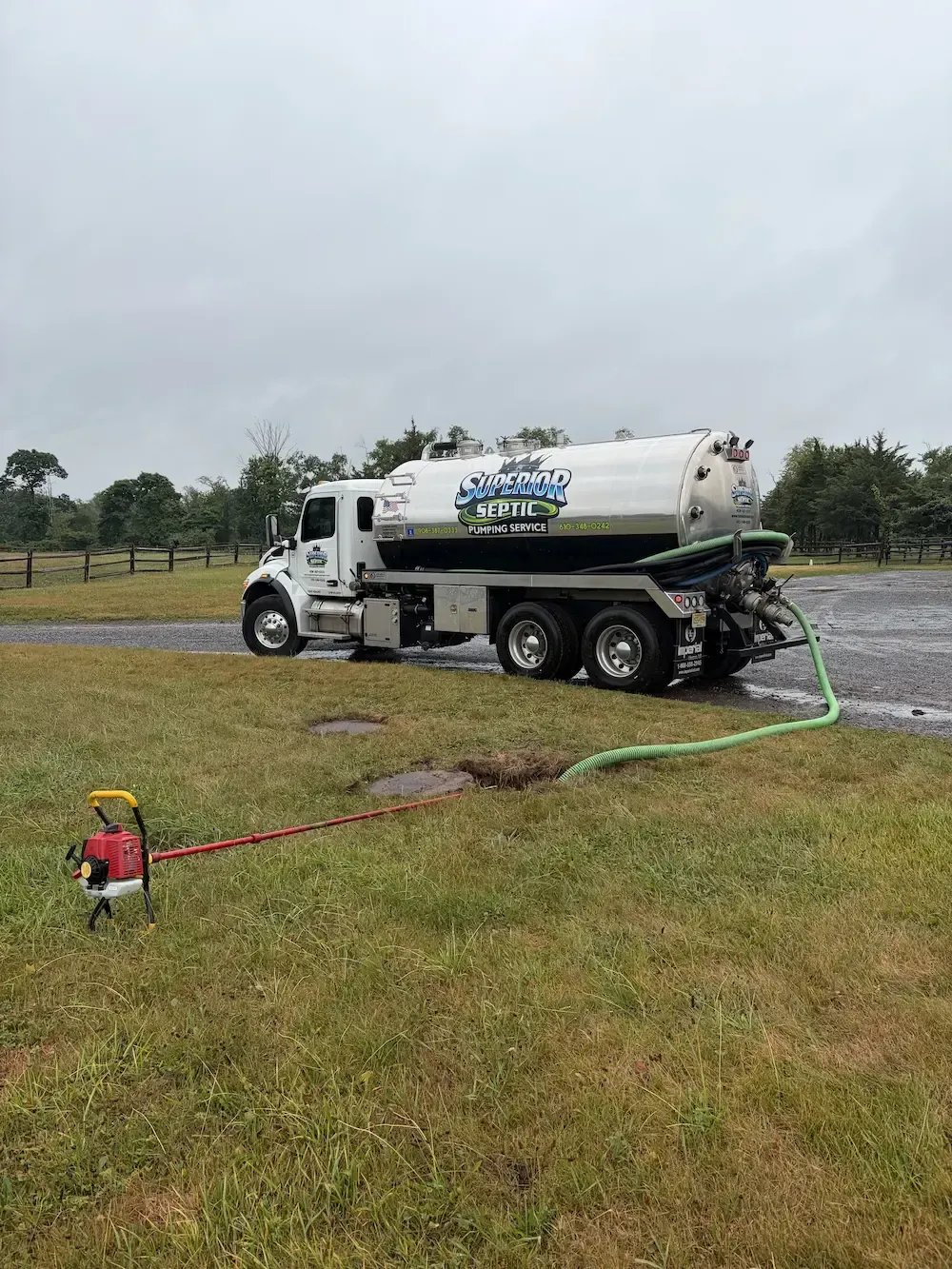
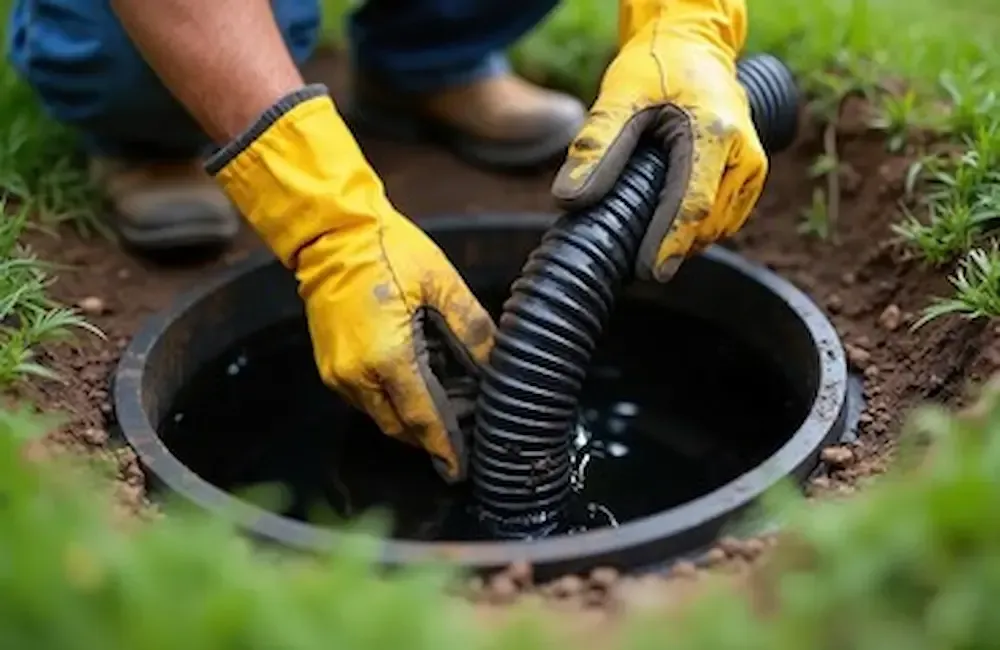
Eventually, those solids must be removed through septic tank pumping.
Waiting too long can allow solid material to move toward the outlet, septic lines or drain field, increasing the risk of drainage problems and backups.
Why Some Flemington Homes Need Septic Pumping Sooner
Two homes with similar septic tanks can have completely different maintenance needs.
Factors that can increase septic system demand include:
- Larger households
- High daily water use
- Frequent laundry
- Garbage disposal use
- Smaller septic tanks
- Older systems
- Leaking toilets or fixtures
- Unknown pumping history
- Delayed maintenance
A home that previously had two occupants may behave differently when a family of five moves in.
The same applies to homeowners who recently purchased a Flemington property without clear septic records. If you do not know when the tank was last pumped, relying on the previous owner's schedule may not be enough.
How Flemington Soil, Terrain and Weather Affect Septic Systems
A septic drain field depends on the surrounding soil to accept and treat wastewater, making local ground conditions especially important.
Flemington contains several mapped soil types, including Penn, Reaville, Chalfont, Abbottstown and Raritan soils, along with both relatively level properties and noticeably sloped terrain.
Different soils absorb and move water differently. Slope can also affect where rainfall and surface runoff collect around a property.
Weather adds another challenge. The Flemington area receives about 51 inches of precipitation during a normal year.
After prolonged or heavy rain, already-wet soil may accept wastewater more slowly. A system that normally drains without noticeable problems may show more stress when the ground surrounding the drain field becomes saturated.
Homeowners may notice slow drains, gurgling plumbing, septic odors or unusually wet ground becoming more noticeable during wet periods.
Warning Signs Your Septic System Needs Attention
Septic problems often give homeowners warning signs before a major sewage backup occurs.
Watch for:
- Several drains becoming slow at once
- Gurgling toilets, sinks or showers
- Sewage or septic odors
- Wet or soggy ground near the septic area
- Unusually green grass over the drain field
- Recurring drainage problems
- Wastewater backing up into tubs, toilets or floor drains
- One slow sink may simply be a plumbing clog.
Multiple fixtures draining slowly — especially when combined with odors, wet ground or overdue septic maintenance — can indicate a larger septic problem.
How Often Should Septic Tanks Be Pumped in Flemington, NJ?
Many residential septic systems are pumped approximately every three to five years, but there is no single schedule that works for every home.
The right pumping interval depends on:
- Household size
- Tank capacity
- Water usage
- Amount of solids entering the system
- Garbage disposal use
- System condition
- Previous maintenance
Larger households and heavily used systems may need service sooner.
If you recently purchased a Flemington home and do not know when the septic tank was last pumped, establishing the condition of the system is safer than waiting for a backup.
Simple Ways to Put Less Stress on Your Septic System
Good septic habits can help reduce unnecessary strain between pump-outs.
Spread large water-use activities throughout the week instead of running several loads of laundry at once. Fix leaking toilets and faucets, keep grease and food waste out of drains, and never flush wipes, paper towels or other non-flushable products.
Outside the home, keep vehicles and heavy equipment off the drain field and direct roof runoff and excess surface water away from the septic area whenever possible.
Most importantly, keep records of pumping, inspections and repairs so you know exactly when the system was last serviced.
Frequently Asked Questions About Septic Pumping in Flemington, NJ
How do I know if my septic tank needs pumping?
Common signs include multiple slow drains, gurgling plumbing, septic odors, wet ground near the system and wastewater backups. An overdue maintenance schedule is another reason to have the tank checked.
How often should a septic tank be pumped?
Many residential systems are pumped every three to five years, but household size, tank size, water use and the amount of solids entering the system can shorten or extend that interval.
Can heavy rain cause septic problems in Flemington?
Heavy or prolonged rainfall can saturate the soil surrounding a drain field. When the soil is already holding significant moisture, it may accept wastewater more slowly and make existing drainage problems more noticeable.
Can doing too much laundry affect a septic system?
Yes. Several loads in a short period can send a large volume of wastewater into the system at once. Spreading laundry throughout the week can reduce sudden hydraulic stress.
Does using a garbage disposal affect septic pumping frequency?
Garbage disposals can increase the amount of solid material entering the septic tank. Frequent use may contribute to faster sludge accumulation.
What should I do if sewage is backing up into my home?
Reduce water use immediately and contact a septic professional. Avoid running washing machines, dishwashers, showers or other fixtures until the cause of the backup has been evaluated.
Does Superior Septic provide septic tank pumping in Flemington, NJ?
Yes. Superior Septic provides professional septic tank pumping and septic service for homeowners and businesses in Flemington, New Jersey.
Septic Tank Pumping in Flemington, NJ
Routine septic pumping removes accumulated solids before they can create larger problems elsewhere in the system.
If your septic tank has not been pumped in several years, you recently purchased a home without clear maintenance records, or you are noticing slow drains, odors, gurgling or wet areas near the septic system, it may be time for service.
Superior Septic provides professional septic tank pumping and septic service in Flemington, NJ, helping property owners stay ahead of backups and unnecessary septic problems.
Contact Superior Septic to schedule septic tank pumping in Flemington, NJ.
Recent Posts