Family-Owned & Operated IN Phillipsburg, NJ
Superior Septic
Septic Tips & Resources
Honest, No-Nonsense Service
Fast Response Times
Licensed & Insured
Clean, Professional Work
Know Before You Buy
Septic Pumping in Phillipsburg, Flemington & Pittstown, NJ: What Homeowners Should Know big d
Buying a home with a septic system requires understanding how the system works and identifying potential issues before closing. Across Hunterdon County, Warren County, Phillipsburg, Flemington, Clinton, Pittstown, Readington, Whitehouse Station, Hackettstown, Belvidere, and nearby Pennsylvania communities, many properties rely on private septic systems rather than municipal sewer connections. A properly maintained septic system can provide dependable performance for years, but neglected systems can lead to costly repairs, drainage issues, backups, and unexpected expenses after purchase. Professional septic inspections, septic tank pumping, septic cleaning, hydro jetting, riser installation, and septic maintenance services help home buyers make informed decisions and protect their investment before closing on a property.

Buying a home is a major decision. Buying a home with a septic system adds another layer of responsibility that many buyers do not fully understand until they are already deep into the closing process.
For properties in Hunterdon County, Warren County, Phillipsburg, Flemington, Clinton, Pittstown, Readington, Whitehouse Station, Hackettstown, Belvidere, and nearby Pennsylvania communities, septic systems are common. Many homes in these areas are located outside municipal sewer service, which means wastewater is handled by a private septic system on the property.
That is not a bad thing. A properly installed and maintained septic system can work reliably for many years. But if the system has been neglected, poorly documented, overloaded, or improperly repaired, it can become one of the most expensive surprises a home buyer faces after closing.
Before purchasing a home with a septic system, buyers should understand what the system does, what warning signs to look for, what a septic inspection can reveal, and when services like septic pumping, cleaning, hydro jetting, riser installation, or septic repairs may be needed.
Superior Septic provides septic inspections, septic tank pumping, septic cleaning, hydro jetting, grease trap pumping, riser installation, small septic repairs, and maintenance services throughout New Jersey and nearby Pennsylvania service areas.
Why Local Septic Knowledge Matters in Phillipsburg, Flemington, Pittstown & Hunterdon County
Septic systems are not one-size-fits-all. A property near Phillipsburg may have a different layout, soil condition, tank access point, or drainage pattern than a home in Flemington, Pittstown, Clinton, Lebanon, Whitehouse Station, or another part of Hunterdon County.
Many properties throughout Hunterdon County rely on septic systems because they are located outside dense municipal sewer areas. That means homeowners need a septic company that understands rural properties, older tanks, newer systems, long driveways, difficult access areas, riser locations, drain fields, and the importance of proper maintenance.
In communities like Pittstown, septic service often requires practical field experience because properties may have larger lots, private wells, long lateral lines, or older septic layouts. Around Flemington, homeowners may be dealing with a mix of established homes, newer developments, and properties where septic history is not always clearly documented. Near Phillipsburg, routine maintenance is especially important for homes, businesses, rental properties, and commercial locations that depend on reliable wastewater flow.
Superior Septic serves homeowners, businesses, property managers, and commercial customers across Phillipsburg, Flemington, Pittstown, Hunterdon County, Warren County, and nearby Pennsylvania communities with dependable septic pumping, septic cleaning, inspections, hydro jetting, grease trap pumping, riser installation, and small septic repairs.
NJ: 908-387-0333
PA: 610-348-0242
What Home Buyers Should Know About Septic Inspections
A septic inspection helps evaluate the visible and accessible parts of the septic system. The goal is to better understand the condition of the tank, access points, wastewater flow, visible components, and possible signs of system stress.
A septic inspection may help identify:
- Whether the septic tank can be accessed properly
- Signs of excessive sludge or scum buildup
- Cracked, damaged, or unsafe lids
- Missing or damaged baffles
- Evidence of past backups
- Unusual odors around the system
- Wet or soggy areas near the drain field
- Poor drainage patterns
- Possible line restrictions
- Whether the system appears neglected
- Whether pumping, cleaning, repair, or further evaluation may be needed
A septic inspection is not just about checking a box for the transaction. It is about helping the buyer understand what they may be inheriting.
For homes in Flemington, Clinton, Pittstown, Readington, Whitehouse Station, Phillipsburg, and nearby rural communities, septic history can vary widely from one property to the next. Some systems are well maintained with clear records. Others may have little documentation, buried access points, unknown service history, or years of neglect.
Septic Questions to Ask Before Buying a Home
Before closing on a property with a septic system, buyers should ask several important questions.
1.When was the septic tank last pumped?
If the seller does not know when the tank was last pumped, that is a red flag. It does not automatically mean the system is failing, but it does mean the buyer needs more information.
Most septic tanks need routine pumping every few years depending on household size, tank size, water usage, and system condition. If the tank has not been pumped in a long time, solids may have built up inside the tank.
2. Are there septic maintenance records?
Maintenance records can help show whether the system has been cared for over time. Buyers should ask for pumping receipts, inspection reports, repair invoices, permits, or any documentation related to the septic system.
3. Where is the septic tank located?
Some homeowners do not know exactly where the septic tank is. Others may know the general area but not the precise access point. This matters because future maintenance depends on safe, practical access.
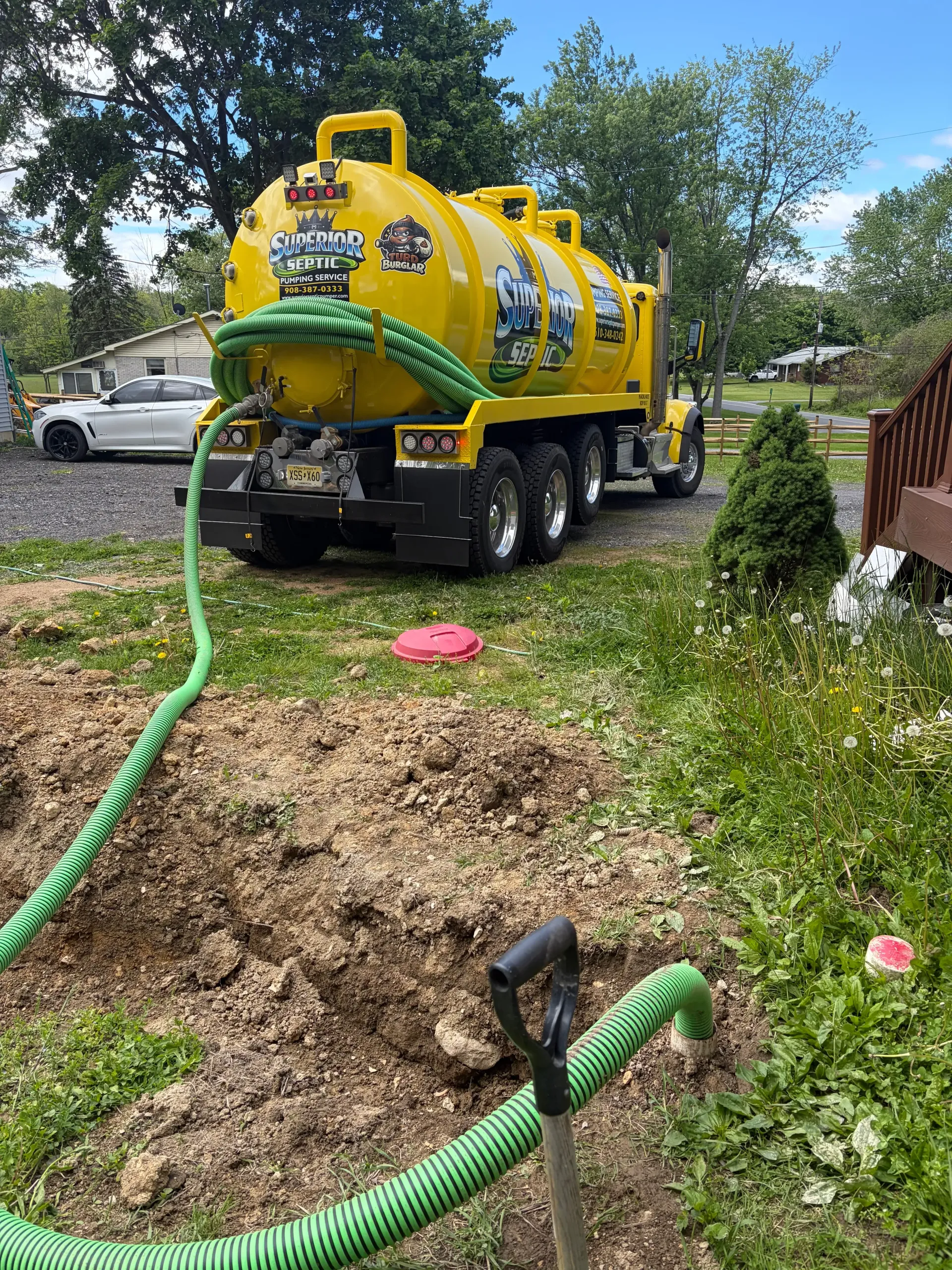
If the tank is difficult to locate or access, a septic riser may be worth considering.
4. Has the system ever backed up?
Past backups can indicate system overload, a full tank, line problems, drain field concerns, or improper use. Buyers should ask whether the home has ever had sewage backups, recurring slow drains, or wastewater issues.
5. Are there wet areas near the drain field?
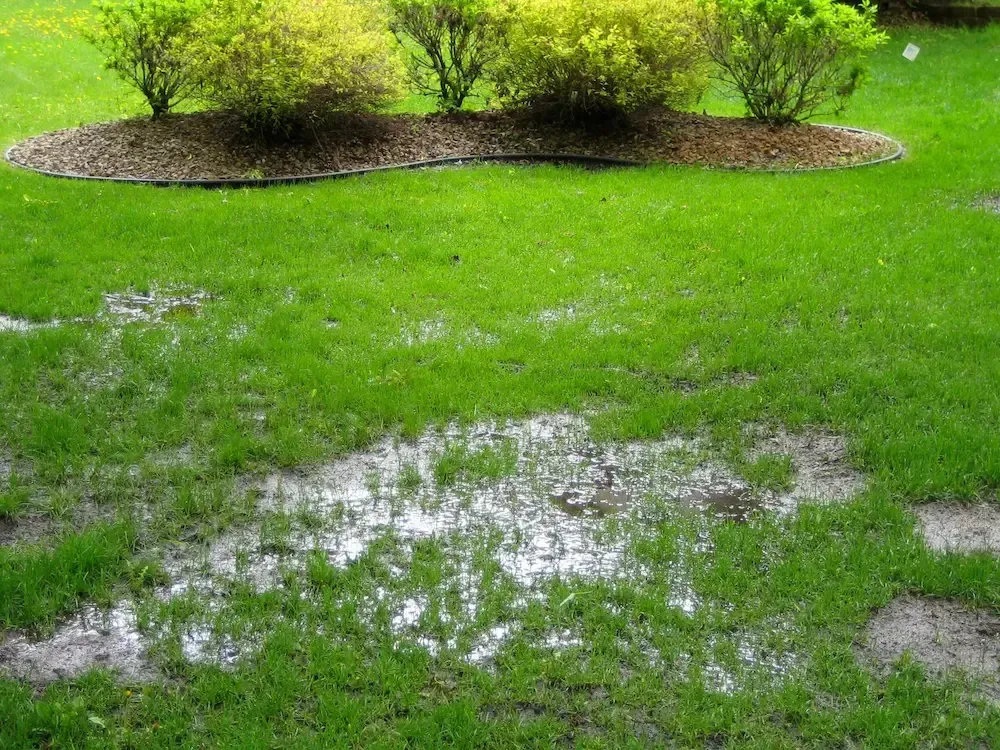
Wet, soggy, or unusually green areas near the drain field may suggest drainage problems or system stress. These areas should be evaluated carefully before closing.
6. Are there large trees near septic lines or the drain field?
Tree roots can create problems for septic and sewer lines. A property with mature trees may need additional evaluation if roots are close to key system components.
Warning Signs Buyers Should Look For During a Walkthrough
A buyer does not need to be a septic expert to notice potential warning signs. During a showing or inspection period, pay attention to how the home drains, how the yard looks, and whether there are odors around the property.
Potential septic warning signs include:
- Slow-draining sinks, tubs, or showers
- Toilets that flush weakly or gurgle
- Sewage odors inside the home
- Sewage smells outside near the tank or yard
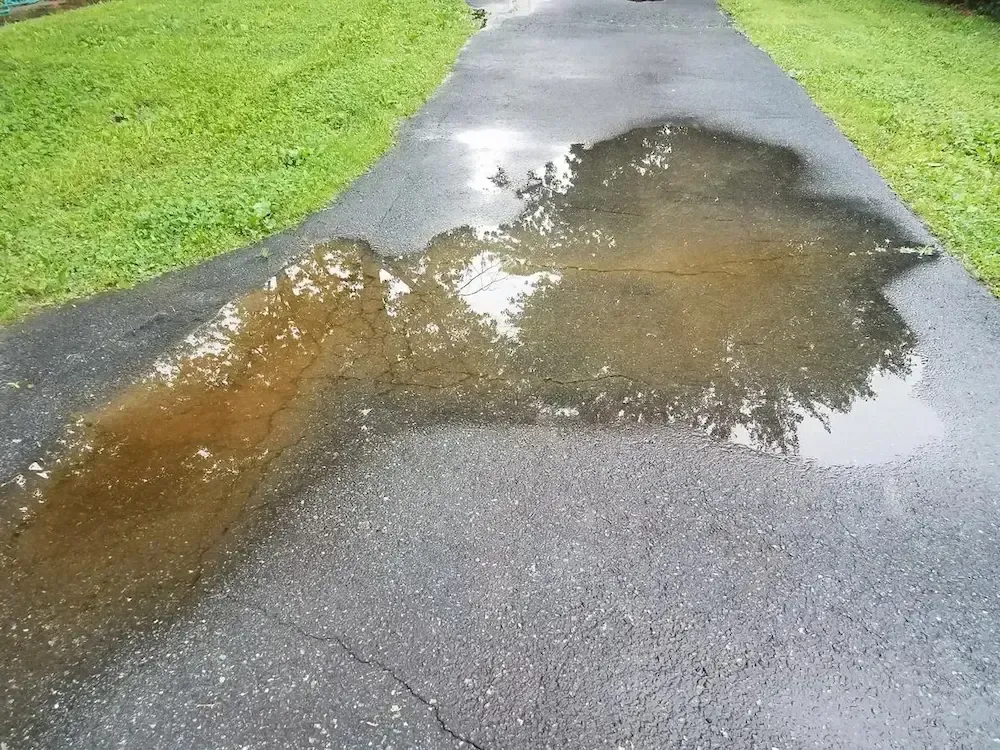
- Wet or soft ground near the septic area
- Standing water near the drain field
- Very green grass in one specific area of the yard
- Multiple plumbing fixtures draining slowly
- Evidence of past sewage cleanup
- Drain flies or persistent odor in lower-level drains
- Newly disturbed soil around the septic area without explanation
One small plumbing issue may not mean the septic system is failing. But multiple warning signs should be taken seriously.
For buyers looking at homes in Hunterdon County, Warren County, Northampton County, Bucks County, Monroe County, or Lehigh County, these red flags can help determine whether a septic professional should be brought in before moving forward.
Why Local Septic Knowledge Matters
Septic systems are highly property-specific. Soil conditions, lot size, slope, system age, tank location, access depth, groundwater conditions, and prior maintenance all matter.
That is why local experience is valuable.
A property near Phillipsburg may have different access conditions, soil patterns, and system history than a rural home near Pittstown or Readington. A home closer to Flemington may have a different system layout than a property near Clinton, Lebanon, Whitehouse Station, or Belvidere. Homes near the New Jersey and Pennsylvania border may also vary based on local regulations, property age, and prior service practices.
Local septic knowledge helps buyers understand what is typical, what is concerning, and what may require immediate attention.
Superior Septic works with homeowners, buyers, sellers, landlords, property managers, restaurants, and commercial customers throughout New Jersey and nearby Pennsylvania communities. That field experience matters when evaluating real-world septic conditions.
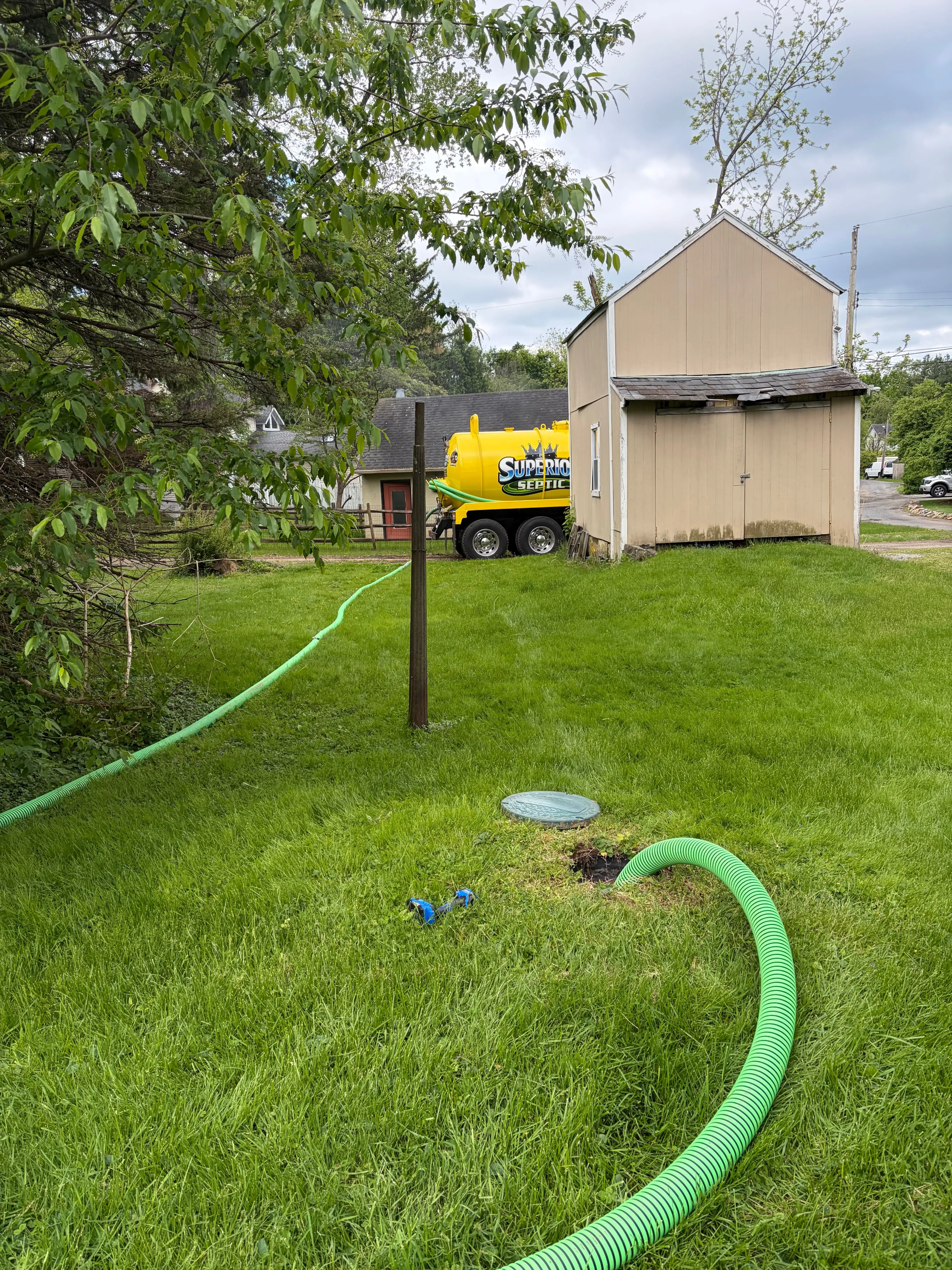
That is why buyers should think of pumping, inspection, and professional evaluation as connected pieces of the same due diligence process.
Septic pumping may not fully reveal:
- All drain field problems
- Hidden underground pipe damage
- Root intrusion in distant lines
- Soil absorption issues
- Poor system design
- Past unauthorized repairs
- Long-term hydraulic overload
Septic pumping can help with:
- Removing sludge and scum
- Restoring working tank capacity
- Reducing immediate backup risk
- Establishing a maintenance record
- Allowing better visibility inside the tank
- Identifying visible tank concerns
Septic pumping is important, but it is not the same as a full guarantee that the entire system is perfect.
Pumping removes accumulated waste from the tank.
It can help reveal visible concerns inside the tank, such as damaged baffles, cracks, high levels, or abnormal conditions.
However, some drain field or underground line problems may require additional evaluation.
What Septic Pumping Can and Cannot Tell You
Septic Pumping Before Closing:
Is It Necessary?
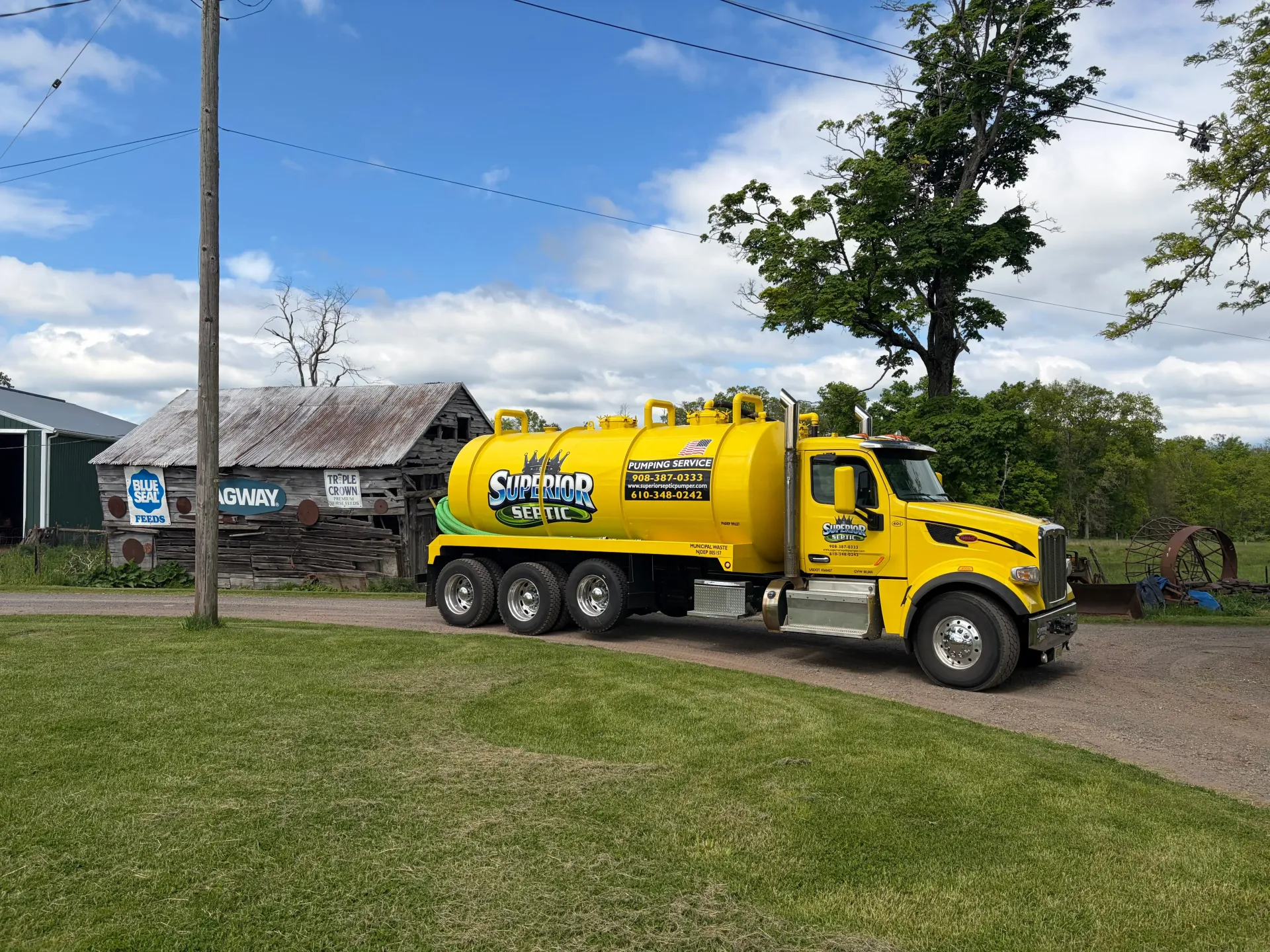
In many home sale situations, septic pumping may be recommended before or during the transaction. Pumping the tank allows accumulated waste to be removed and can make it easier to evaluate certain visible conditions inside the tank.
Septic pumping before closing may be helpful when:
- The seller does not know the last pump-out date
- The tank has not been serviced in several years
- The home has had heavy use
- The home has been vacant or irregularly occupied
- There are slow drains or odors
- The buyer wants a fresh maintenance baseline
- The inspection suggests high sludge or scum levels
- The property is older or has limited septic records
For buyers, a freshly pumped and documented tank can provide a better starting point for future maintenance. It also helps reduce the chance of moving into a home that immediately needs septic service.
When Hydro Jetting May Be Recommended
Sometimes a property has slow drains or recurring backups even after the septic tank is pumped. In those cases, the issue may involve buildup or restriction inside the line.
Hydro jetting uses high-pressure water to clean the inside of sewer and septic lines. It may be recommended when grease, sludge, roots, debris, or buildup is restricting flow.
Hydro jetting may be useful for:
Recurring slow drains
Repeated line clogs
Grease buildup
Sludge accumulation
Commercial kitchen lines
Septic line restrictions
Preventative line cleaning
For buyers, hydro jetting may become part of the conversation if the inspection reveals drainage concerns, recurring clog history, or signs that the line has not been maintained properly.
This can be especially relevant for older homes, rental properties, restaurants, commercial buildings, or homes with long plumbing runs.
Septic Risers: A Smart Upgrade for Future Maintenance
A septic riser is an access extension that brings the septic tank opening closer to ground level. For many homeowners, risers make future septic pumping and inspections much easier.
Without a riser, the tank lid may be buried and require digging every time service is needed. That can delay service, increase inconvenience, and make routine maintenance less likely.
A septic riser may be a smart upgrade if:
The tank access is buried
The current lid is difficult to locate
The property has limited service records
The buyer wants easier future maintenance
The tank needs frequent access
The homeowner wants to avoid repeated digging
For buyers purchasing homes in areas like Flemington, Pittstown, Clinton, Readington, Whitehouse Station, Phillipsburg, or Belvidere, asking about septic tank access can save future headaches.
Commercial Properties and Grease Trap Concerns
Not every septic inspection involves a single-family home. Some buyers are evaluating restaurants, commercial kitchens, offices, churches, schools, retail properties, or mixed-use buildings.
Commercial properties may have higher wastewater volume and more complex maintenance needs. Restaurants and food service businesses may also have grease traps that require regular pumping and cleaning.
Grease trap neglect can lead to:
Foul odors
Slow drains
Plumbing backups
Grease buildup
Sanitation concerns
Business interruptions
Compliance problems
If you are buying or leasing a commercial property in Phillipsburg, Easton, Bethlehem, Flemington, Clinton, Doylestown, Hackettstown, or nearby areas, grease trap maintenance history should be reviewed carefully.
Superior Septic provides grease trap pumping and commercial septic services for businesses throughout local New Jersey and Pennsylvania service areas.
What to Do After Buying a Home with a Septic System
Once you purchase a home with a septic system, the next step is to create a maintenance plan. Do not wait until there is a backup to learn where the tank is, when it was last pumped, or how the system should be maintained.
After closing, homeowners should:
- Keep copies of septic inspection and pumping records
- Mark the tank location and access points
- Ask when the next pump-out should be scheduled
- Avoid flushing wipes, grease, paper towels, diapers, and hygiene products
- Spread laundry loads throughout the week
- Fix leaking toilets and faucets quickly
- Keep heavy vehicles off the drain field
- Direct roof drains and surface water away from the septic area
- Avoid planting trees near septic lines
- Schedule routine septic inspections and pumping
These habits can help protect your investment and reduce the risk of avoidable septic problems.
Septic Inspection and Service Areas
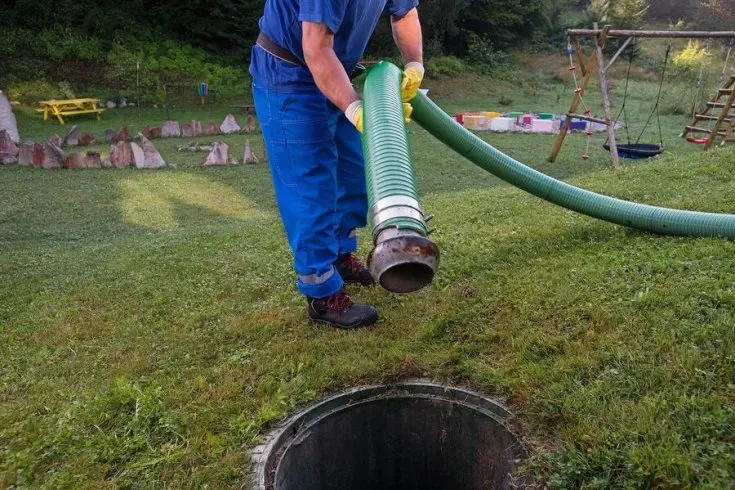
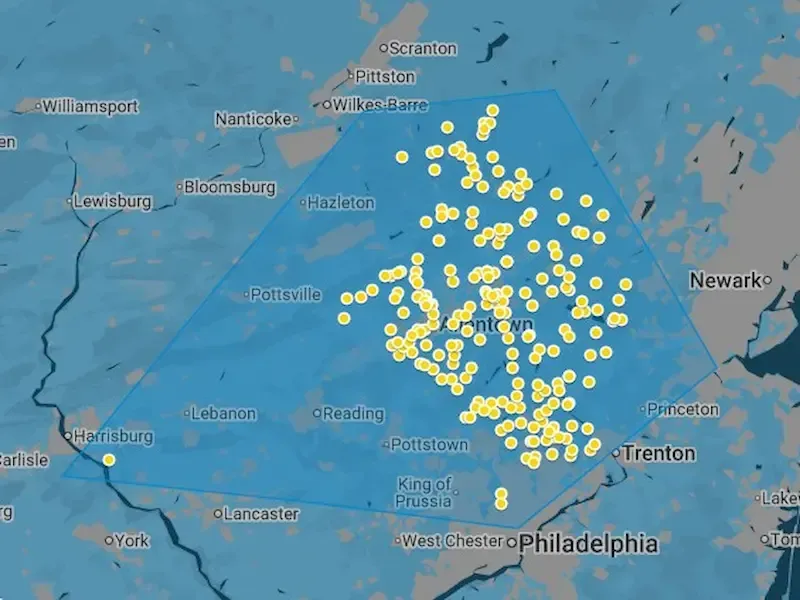
Superior Septic proudly serves customers throughout Phillipsburg, NJ, as well as key Hunterdon County communities such as Flemington, Pittstown, Clinton, Whitehouse Station, Lebanon, Bloomsbury, Milford, Frenchtown, Hampton, and surrounding areas. The team also serves Warren County and nearby Pennsylvania communities, helping residential and commercial customers keep their septic systems clean, functional, and properly maintained.
- Bethlehem, PA
- Bangor, PA
- Doylestown, PA
- New Hope, PA
- Stroudsburg, PA
- Allentown, PA
- Warren County, NJ
- Hunterdon County, NJ
- Northampton County, PA
- Bucks County, PA
- Monroe County, PA
- Lehigh County, PA
- Phillipsburg, NJ
- Flemington, NJ
- Clinton, NJ
- Pittstown, NJ
- Readington, NJ
- Whitehouse Station, NJ
- Hackettstown, NJ
- Washington, NJ
- Belvidere, NJ
- Lebanon, NJ
- Milford, NJ
- Easton, PA
-
Our Service Areas Include:
Whether you are buying a home, selling a property, managing rentals, operating a business, or maintaining your current home, Superior Septic can help evaluate, maintain, and service your septic system.
We got it.
Thank you for contacting us.
We’ll get back to you as soon as possible.
Superior Septic FAQ's
How often should a septic tank be pumped in Hunterdon County, NJ?
Most septic tanks should be pumped every 3 to 5 years, but the right schedule depends on tank size, household size, water usage, system age, and whether the property has had previous septic problems. Homes in Flemington, Pittstown, Clinton, Whitehouse Station, and surrounding Hunterdon County communities may need different maintenance schedules depending on usage and system condition.
Does Superior Septic provide septic pumping in Flemington, NJ?
Yes. Superior Septic provides septic tank pumping, septic cleaning, inspections, hydro jetting, riser installation, grease trap pumping, and septic maintenance services for homeowners and businesses in Flemington and nearby Hunterdon County communities.
Does Superior Septic serve Pittstown, NJ?
Yes. Superior Septic serves Pittstown and surrounding rural areas throughout Hunterdon County. The company helps property owners with septic pumping, tank cleaning, maintenance, inspections, hydro jetting, and small septic repair needs.
What are the signs my septic tank needs pumping?
Common signs include slow drains, gurgling toilets, sewage odors, wet areas in the yard, backups, frequent clogs, or unusually green grass near the drain field. If multiple fixtures are draining slowly, it may be time to have the septic system inspected or pumped.
Can septic pumping help prevent backups?
Yes. Routine septic pumping removes built-up solids from the tank before they overload the system, clog outlet lines, or stress the drain field. Regular maintenance is one of the best ways to reduce the risk of sewage backups and expensive septic repairs.
Schedule a Septic Inspection or Service with Superior Septic
Buying a home with a septic system does not have to be stressful, but it should be taken seriously. The more you know before closing, the better prepared you are to protect your property, budget for maintenance, and avoid preventable septic issues.
Superior Septic provides septic inspections, septic tank pumping, septic cleaning, hydro jetting, grease trap pumping, riser installation, small septic repairs, and emergency septic services throughout Phillipsburg, Flemington, Clinton, Hunterdon County, Warren County, and nearby Pennsylvania communities.
If you are buying, selling, or maintaining a property with a septic system, contact Superior Septic today to schedule professional septic service.